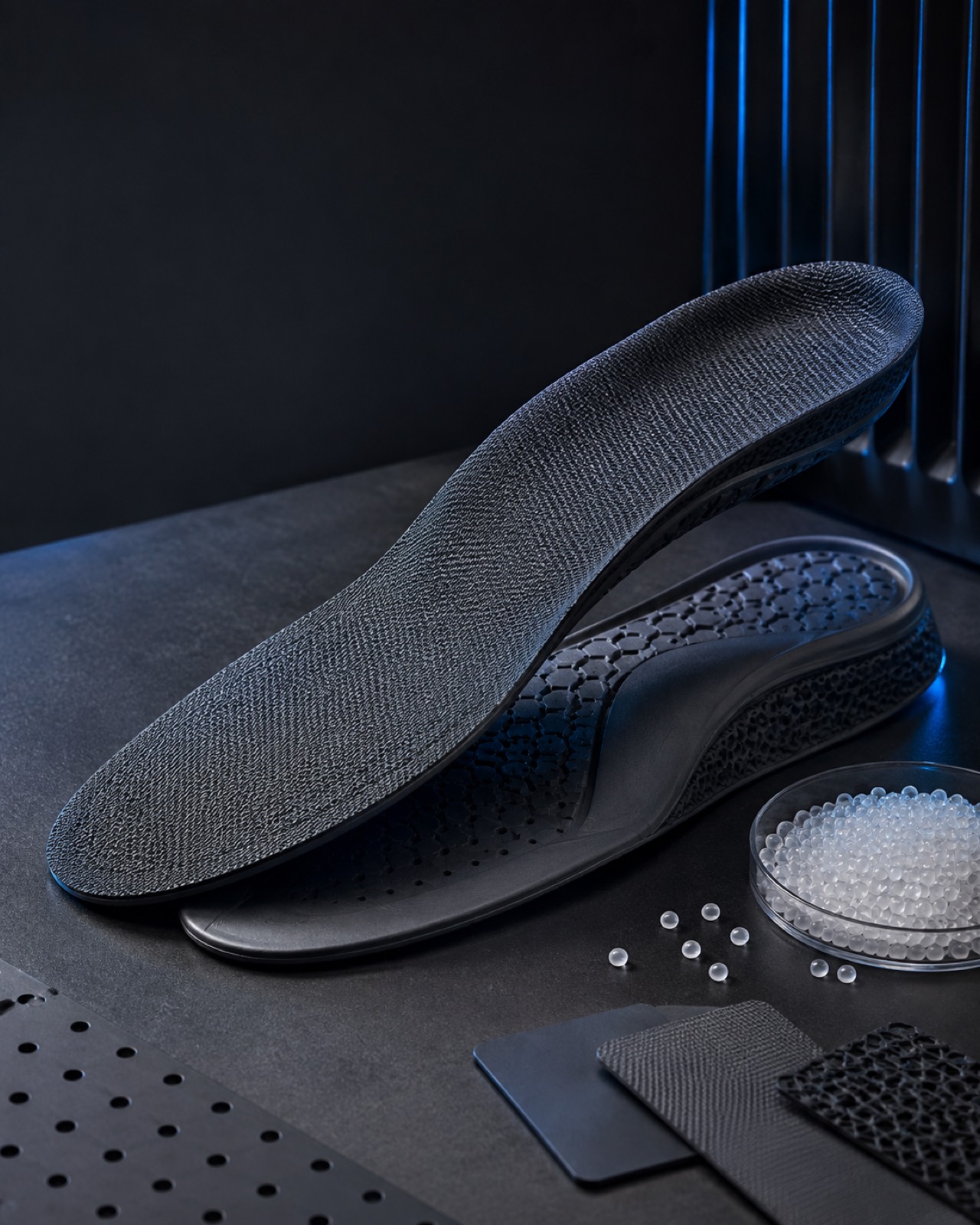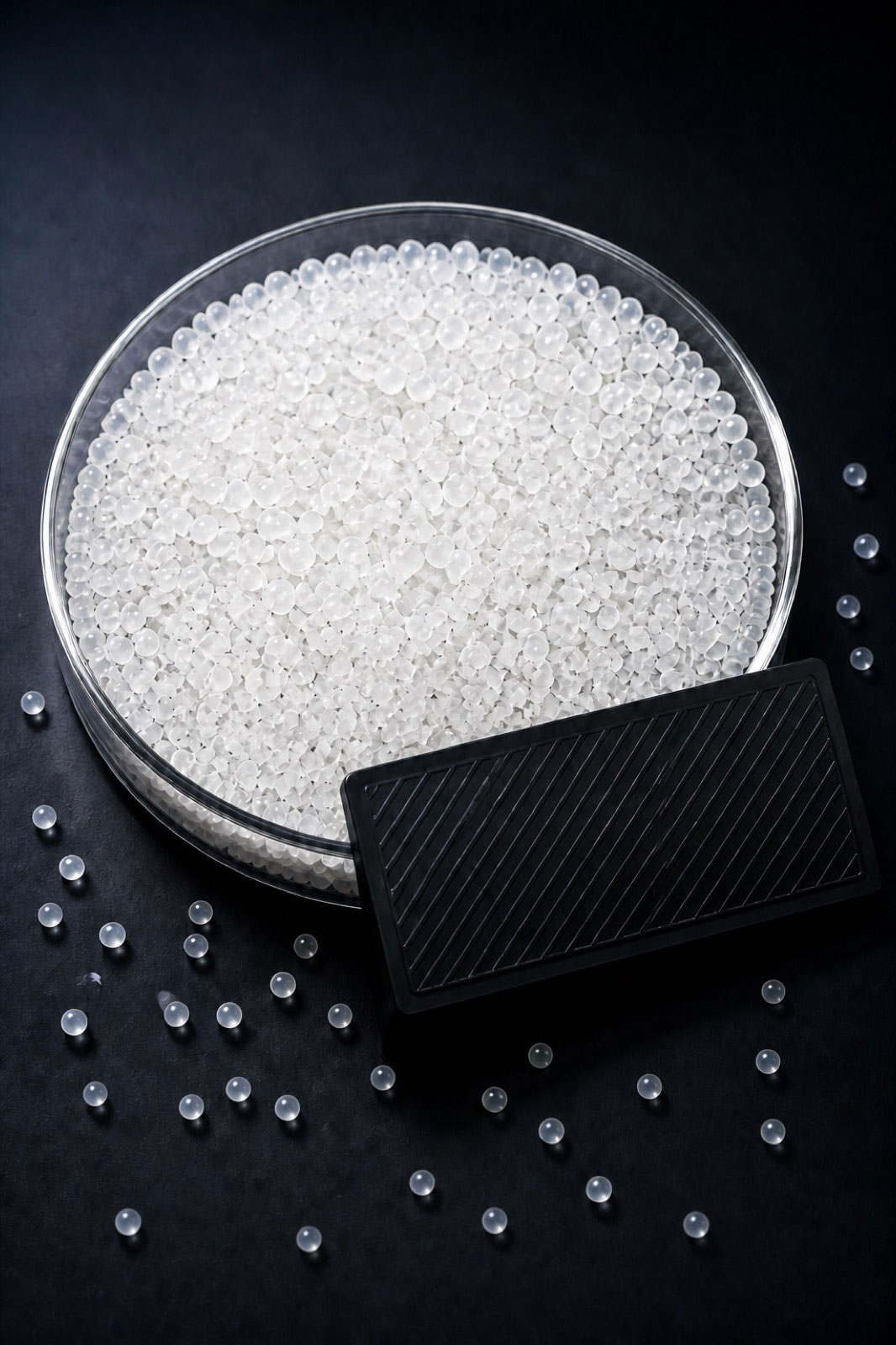

GTE-8030
Bio-Based TPE for Footwear Foam
35% Bio-Based Content · 51% Foam Rebound
GTE-8030 Bio-Based TPE35% Bio-Based Content and 51% Foam Rebound for Footwear Development
Renewable feedstock integration with footwear resilience in mind
Footwear development increasingly considers feedstock origin and environmental impact. Introducing bio-based materials also requires attention to rebound feel, formulation compatibility and molding performance. GTE-8030 combines 35% bio-based content with elastic recovery and can be blended with EVA and POE. It offers a material development option for shoe midsoles, functional insoles and cushioning foams, bringing feedstock selection and performance requirements into the same development process.
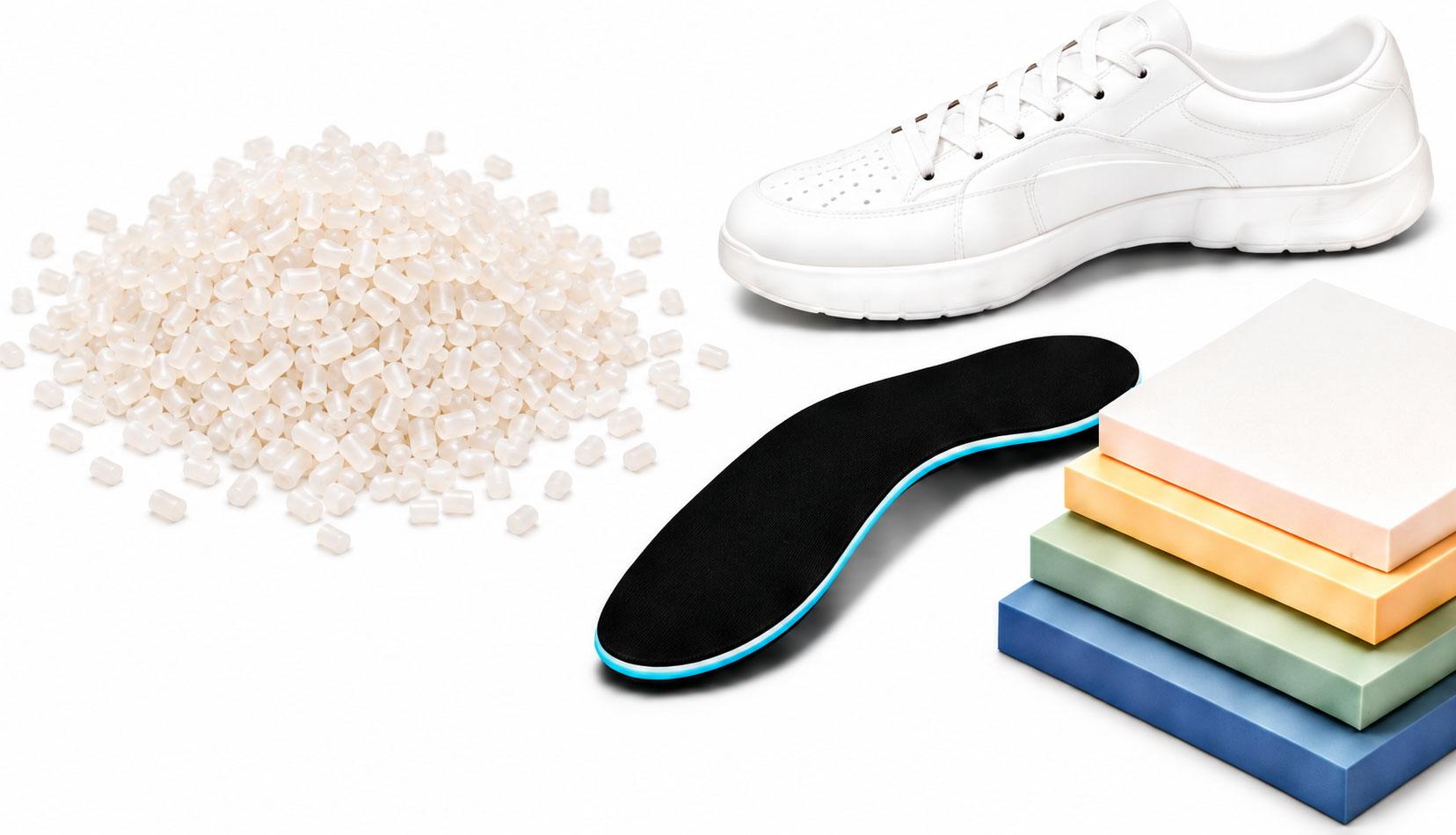
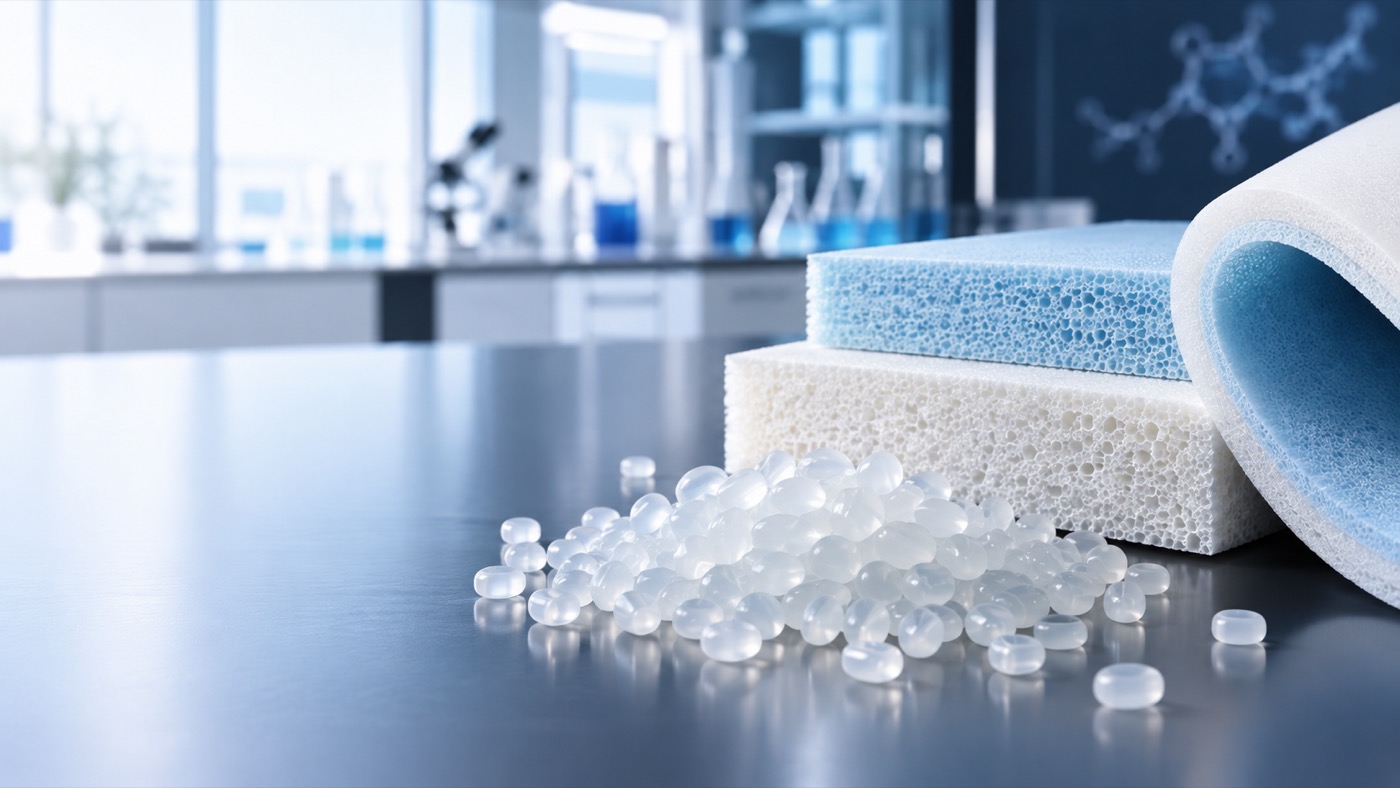
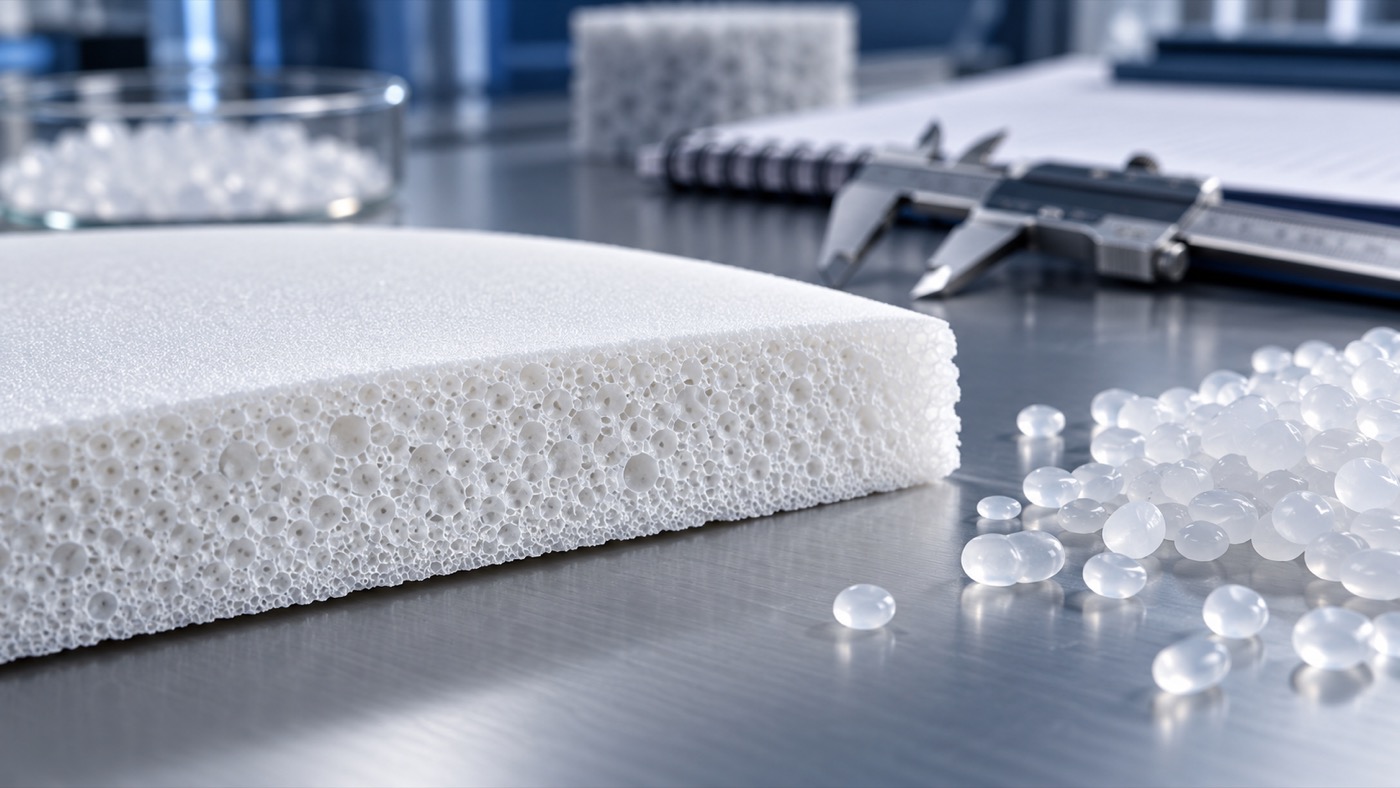
Figure 1 Conceptual illustration of loose pellets and footwear applications; not a photograph of tested specimens.
| Bio-based content | Foam rebound | Foam hardness and density |
|---|---|---|
| 35% | 51% | 50 Asker C / 0.215 g/cm³ |
Bio-based content is a raw-material reference value. Finished-product content must be verified against the formulation and reporting basis.
Maintain rebound feel when introducing bio-based feedstocks
Engineers may achieve the target hardness yet still find that a foam feels slow to recover. Softness and rebound are different properties, and changing the vinyl acetate (VA) content of EVA alone may not deliver the desired response. Setting rebound, hardness and density targets together helps identify how formulation changes affect performance before molding conditions are adjusted, aligning feedstock selection with practical use requirements.
A rebound advantage at similar VA content
In development comparisons at similar VA contents, bio-based formulations incorporating GTE-8030 showed better rebound performance. For developers who have reached the desired softness but want a more responsive recovery feel, this provides a route to tune resilience through material blending while introducing bio-based feedstocks.
The GTE-8030 foam specimen has a reported rebound of 51%, hardness of 50 Asker C and density of 0.215 g/cm³. These values support preliminary material selection and formulation design. Align specimen density, hardness and thickness before comparing rebound and finished-product feel to determine suitability for the intended application.
| Material feature | Reference | Value for footwear development |
|---|---|---|
| Bio-based feedstock integration | 35% bio-based content | Introduce renewable feedstocks and broaden alternatives to fossil-derived inputs. |
| Elastic recovery | 51% foam rebound | A selection indicator for feel and recovery performance. |
| Blend formulation flexibility | Good compatibility with EVA and POE | A route to introduce material into existing blends and adjust formulations. |
Environmental considerations from feedstock to resource efficiency
With 35% bio-based content, GTE-8030 provides a starting point for introducing renewable feedstocks and alternatives to a portion of fossil-derived inputs. Broadening feedstock options brings resource use into material selection alongside hardness and feel. When blended with other materials, the finished-product bio-based content must be confirmed using the formulation and the applicable reporting basis.
Environmental design also extends to processing and use. Small-batch trials, parameter records and property testing can help identify opportunities to reduce repeated trials, molding defects and material losses while checking performance under repeated loading. These are process and design objectives; material savings, energy savings and service-life improvements require supporting data.
ASTM D6866 measures bio-based carbon content; it is not a carbon-reduction or biodegradation certification. A bio-based content of 35% does not mean a 35% carbon reduction or establish biodegradability or compostability. Overall environmental benefits require life-cycle assessment covering feedstock, processing, transport, use and end-of-life treatment. [1][2]

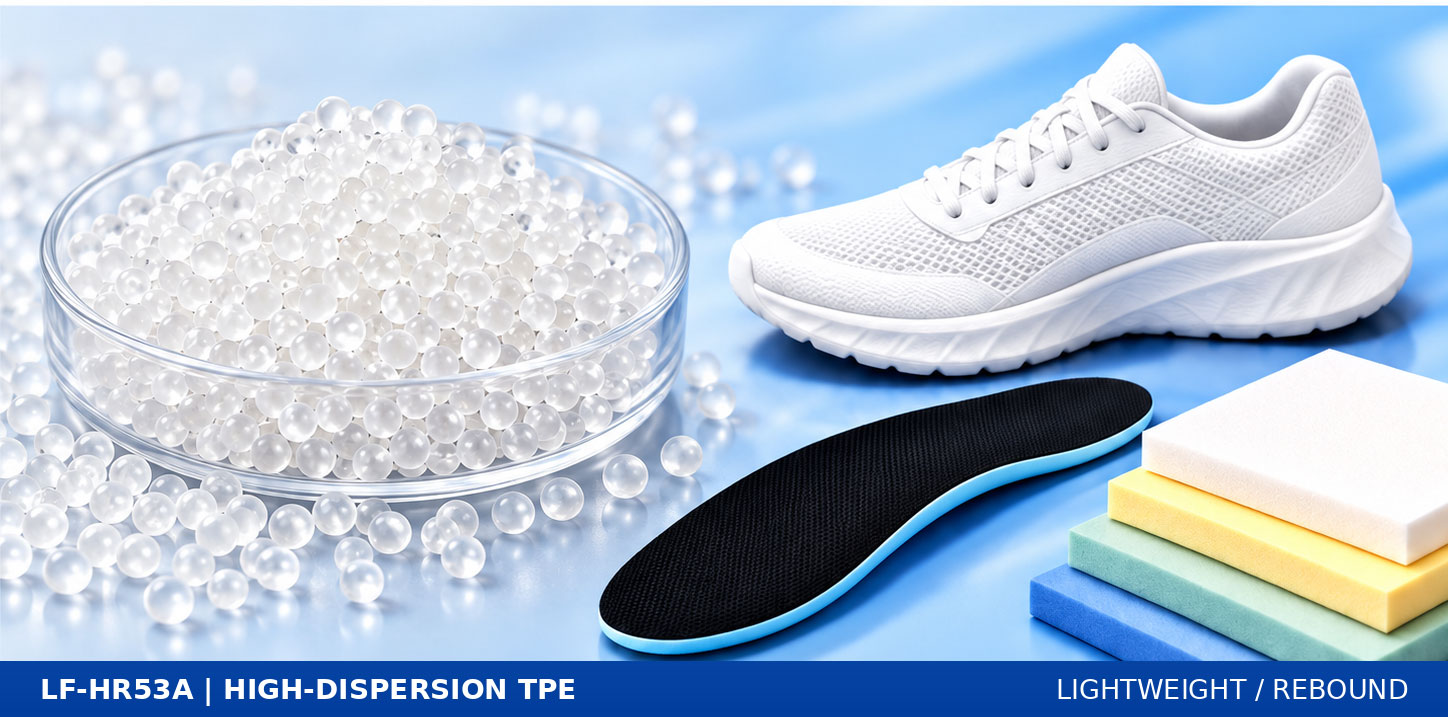
Figure 2 Conceptual applications in shoe midsoles, insoles and foam products.
Foam specimen properties
The foam specimen has a reported rebound of 51%, hardness of 50 Asker C, density of 0.215 g/cm³ and elongation of 293%. Evaluate rebound together with strength, shrinkage and compression set to align bio-based feedstock integration with product structural requirements.
| Property | Method as listed | Unit | Result |
|---|---|---|---|
| Hardness | ASTM D2240 | Asker C | 50 |
| Density | ASTM D792 | g/cm³ | 0.215 |
| Tensile strength | ASTM D638 | kgf/cm² | 18 |
| Elongation | ASTM D638 | % | 293 |
| Tear strength | ASTM D624 | kgf/cm | 8 |
| Ball rebound | ASTM D2632 | % | 51 |
| Compression set | ASTM D395 | % | 52 |
| Shrinkage | ASTM D1917 | % | 0.5 |
| Expansion E/R | — | % | 160 |
Raw material properties
| Property | Method or conditions | Unit | Result |
|---|---|---|---|
| Appearance | — | — | Pellets |
| Color | — | — | Translucent |
| Hardness | ASTM D2240 | Shore A | 72 |
| Melt flow index | ASTM D1238190°C / 2.16 kg | g/10 min | 4.7 |
| Density | ASTM D792 | g/cm³ | 0.91 |
| Tensile strength | ASTM D638 | kgf/cm² | 88 |
| Elongation | ASTM D638 | % | 665 |
| Tear strength | ASTM D624 | kgf/cm | 56 |
| Bio-based content | ASTM D6866 | % | 35 |
| Melting point | DSC | °C | 85 |
These values are for material selection and are not guaranteed production specifications. Bio-based content, test conditions and methods are subject to the official reports. Assess raw material and foam specimens separately. The 35% value does not directly represent the renewable-feedstock mass fraction of the complete formulation.
Plan bio-based trials around engineering challenges
| Development challenge | Recommended checks |
|---|---|
| Introduce bio-based feedstocks while maintaining feel | Use the existing blend as a baseline and define rebound, hardness and density targets. |
| Rebound remains below target at similar VA content | Compare matched VA formulations with controlled specimen density, hardness and thickness. |
| Good specimen rebound does not translate to the product | Check cell structure, thickness and molding differences, then assess dynamic compression and use performance. |
| Unstable molding increases trial material and losses | Record shrinkage, compression set and molding parameters; refine the formulation and process step by step. |
Introduce GTE-8030 into existing EVA and POE formulations
GTE-8030 has good compatibility with EVA and POE, providing a starting point for introducing bio-based material into existing formulations. Begin with small-batch trials to check dispersion, flow and foam molding. Adjust blend ratios against property targets and record processing temperature, time, crosslinking and foaming conditions to reduce trial-and-error adjustments.
Comparisons at similar VA contents require a consistent calculation basis. Distinguish the VA content of the EVA resin from the weighted VA content of the blend, and specify whether the denominator is total resin or total formulation mass. Do not assume that GTE-8030 has zero VA content without confirming its composition and VA information.
Bring bio-based value and elastic response into the product
For shoe midsoles and functional insoles, a desirable feel includes recovery after loading as well as softness. GTE-8030 brings 35% bio-based content and rebound comparisons at similar VA contents into one material selection approach, supporting renewable feedstock integration alongside product performance development.
Start with the existing formulation and introduce GTE-8030 progressively, adjusting target hardness, density, midsole thickness and molding conditions. Use finished-product trials to assess resilience, repeated loading and dimensional stability so environmental positioning is supported by practical, verifiable product performance.
Specimen rebound is not equivalent to whole-shoe energy return. Midsole geometry, thickness and other components also affect shoe performance. Dynamic compression and practical use evaluations remain necessary.
Request free samples and discuss custom development
Contact us to request free GTE-8030 samples for application trials and property evaluation. We can also provide custom material development recommendations based on the intended use, bio-based feedstock targets, existing EVA/POE formulation and required hardness, density and rebound. Discuss your requirements with us to plan formulation adjustments and sample trials for a material solution that combines bio-based value, processing performance and comfortable feel.
Sources GTE-8030 product data and supplied development comparison information.[1] ASTM D6866, scope of bio-based carbon content testing. https://store.astm.org/standards/d6866[2] European Commission, COM(2022) 682, EU policy framework on biobased, biodegradable and compostable plastics.