
LF-HR53A
Lightweight, High-Rebound TPE Foam
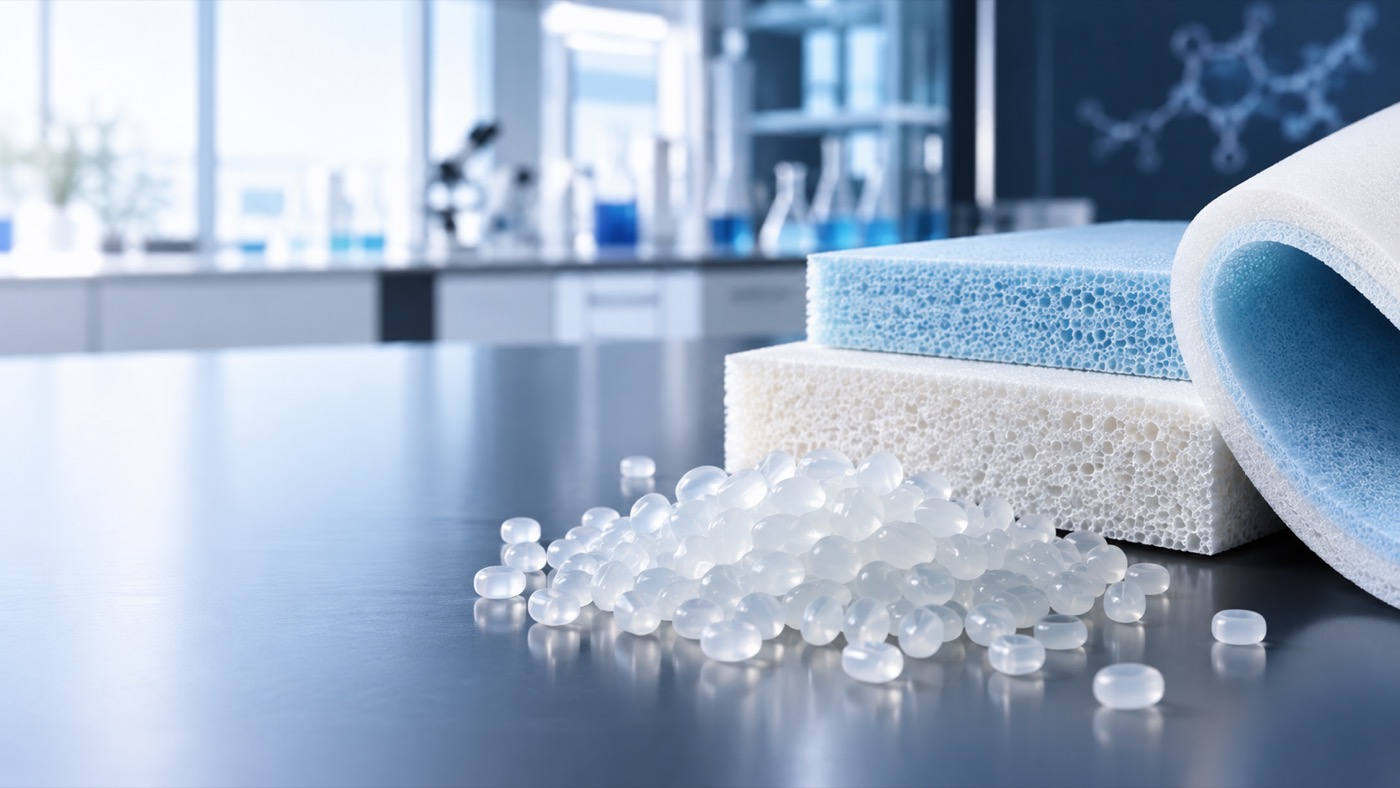
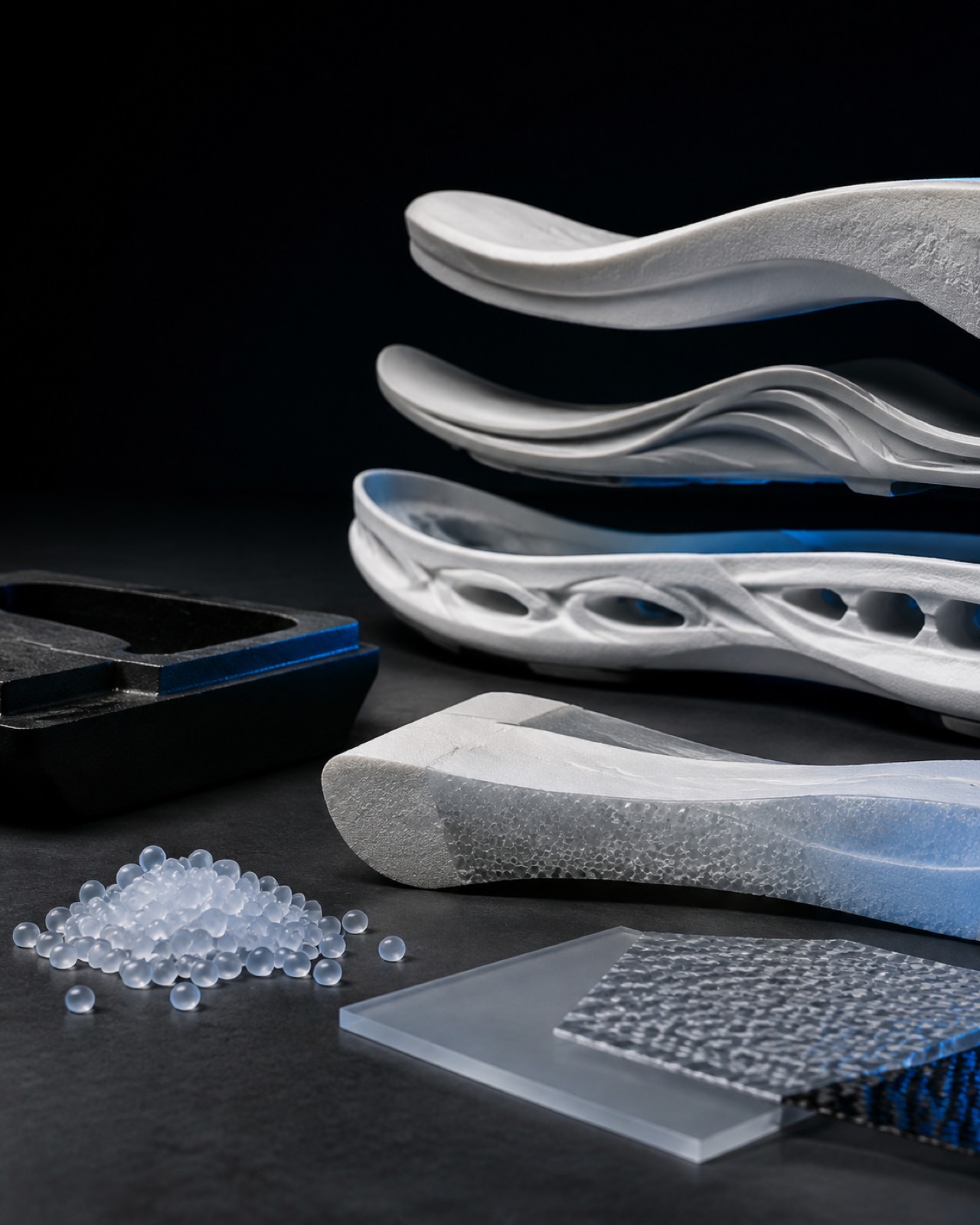
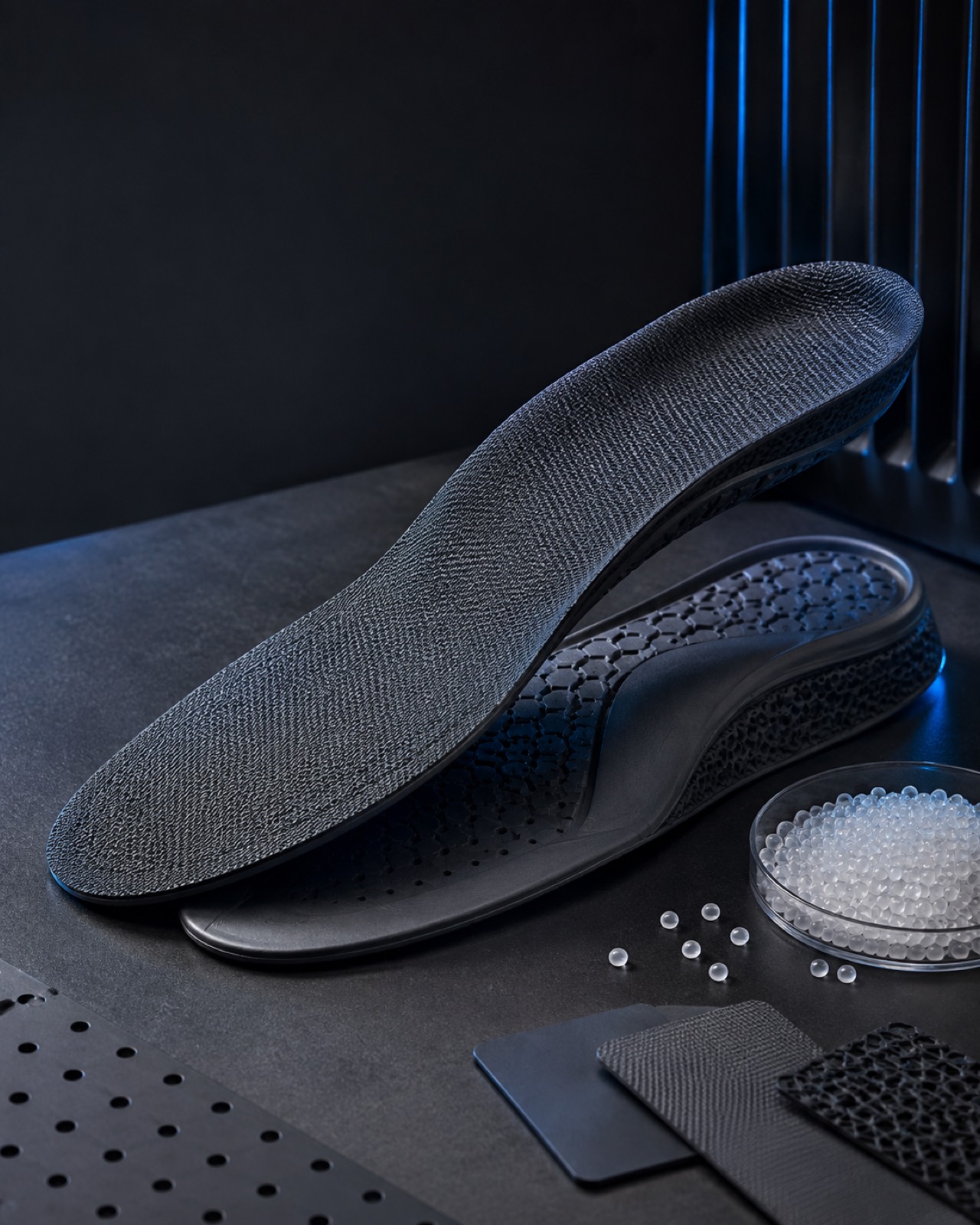
Low-density TPE foam for shoe midsoles, functional insoles and cushioning components.
LF-HR53A | Bringing Low Density and High Rebound into Material Development
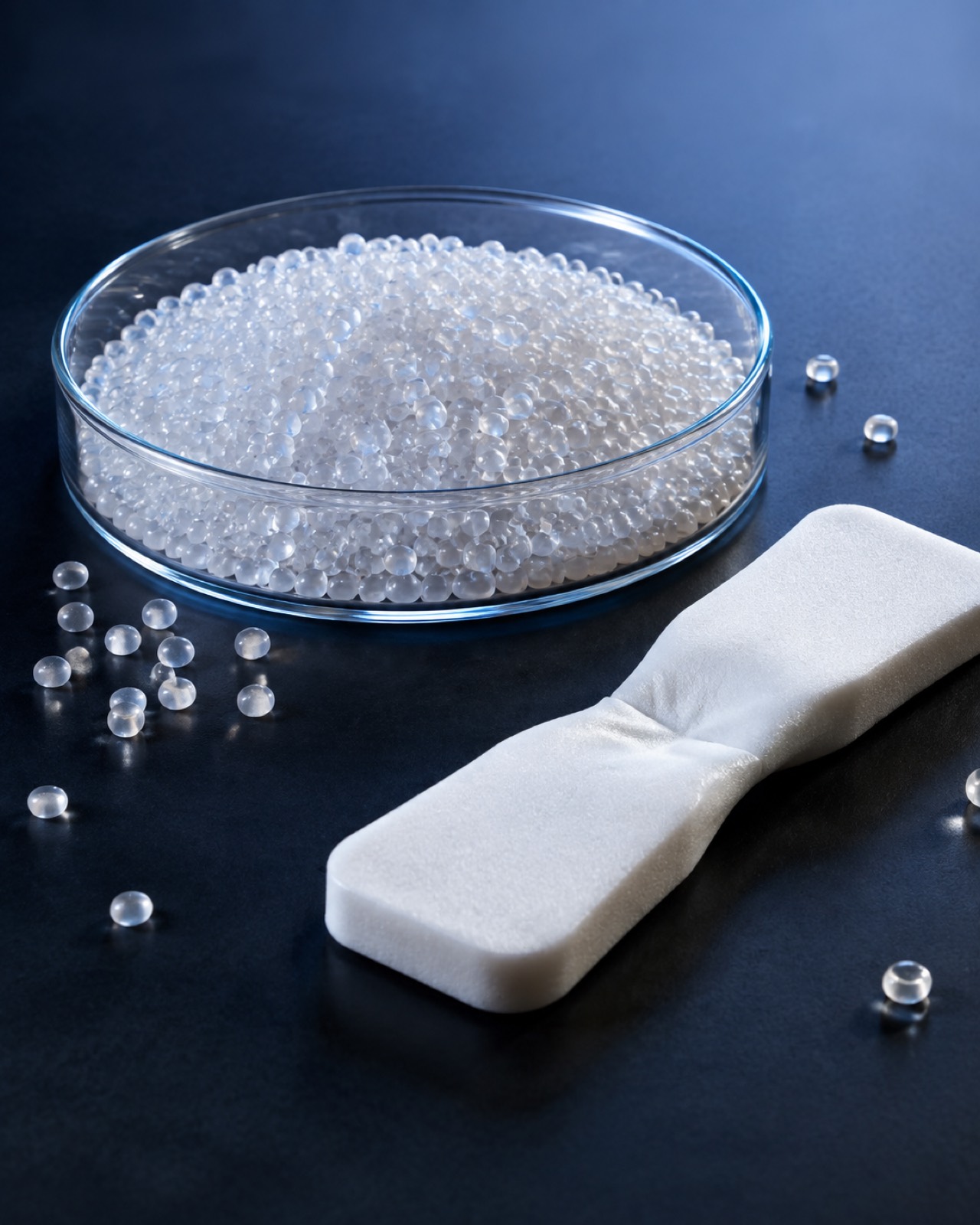
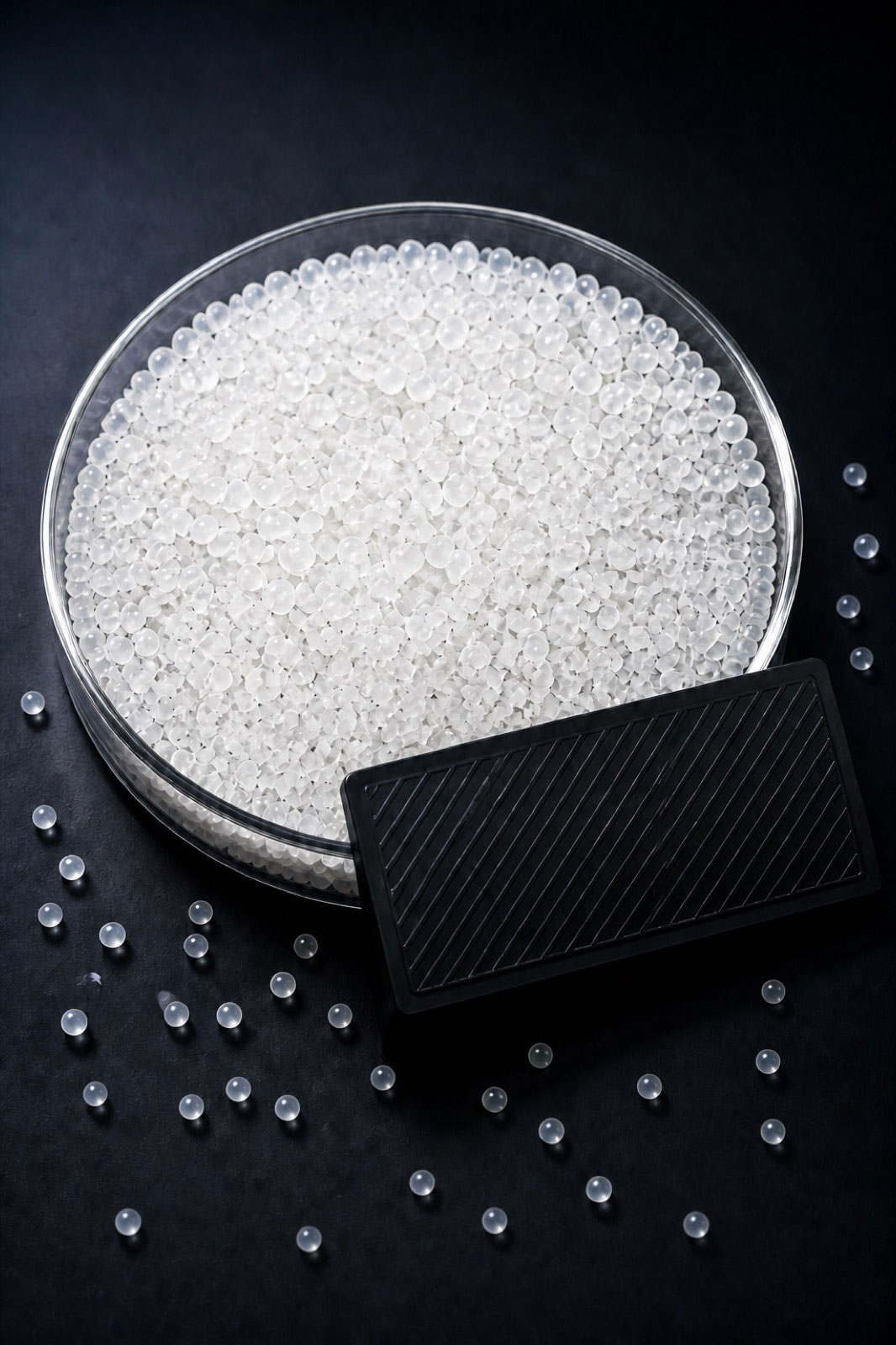
Shoe midsoles, functional insoles and cushioning components require more than lower material weight. They must also deliver an appropriate elastic response under repeated loading. LF-HR53A is a high-dispersion TPE elastomer intended for material trials involving injection molding, extrusion and foaming, with an emphasis on combining low weight and rebound performance.
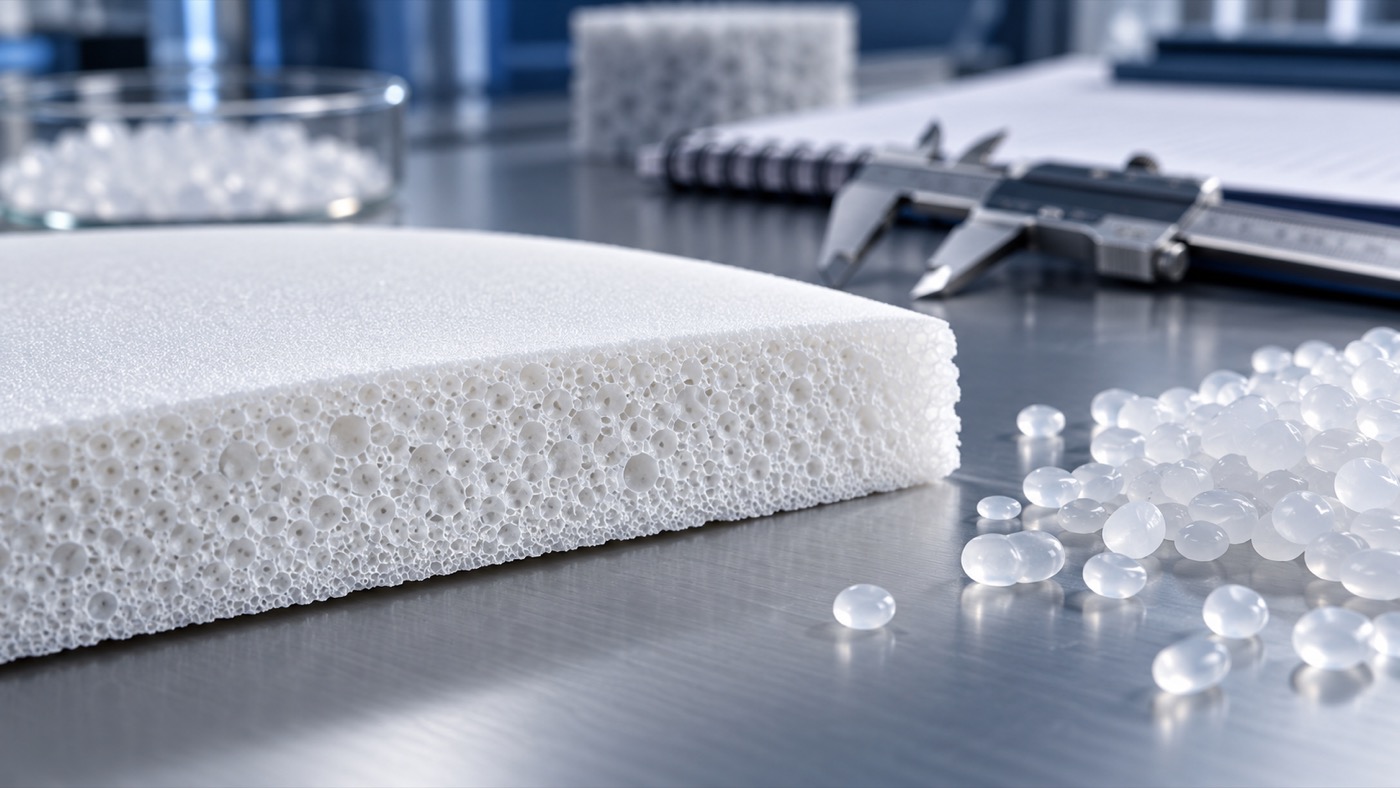
The foamed test sample achieved a density of 0.133 g/cm³, a ball rebound result of 70% and a hardness of Shore C 34. These results provide an initial material-selection reference for lightweight footwear, cushioning and comfort-oriented products.
After Foaming | Two Key Performance Indicators

Product Positioning | Lightweight Design and Elastic Recovery
LF-HR53A brings together low-density foaming, rebound performance, elongation and potential processing versatility within one material evaluation platform. Because product requirements differ in comfort, support, abrasion resistance, thermal dimensional stability and fatigue life, suitability should be assessed under the conditions of the finished product.
| R&D / Product Requirement | LF-HR53A Evaluation Focus |
|---|---|
| Lightweight design | Foamed sample density: 0.133 g/cm³. Useful for initial weight and material-use estimates; final part weight still depends on design and volume. |
| Elastic recovery / comfort | Ball rebound result: 70%. A useful indicator of rebound performance, but not directly equivalent to dynamic cushioning or energy return of a finished shoe. |
| Elongation / deformation | Elongation at break: 369% for the raw material and 182.1% after foaming. Consider flexing, compression and failure-mode evaluation. |
| Processability / appearance | For evaluation in injection molding, extrusion and foaming. Verify formulation dispersion, forming temperature, mold design and the processing window. |
Application Areas | From Footwear to Foam Cushioning

Application validation | For footwear and insoles, consider repeated-compression, dynamic-rebound, abrasion and flex-fatigue testing. For foam cushioning products, also evaluate thermal shrinkage, dimensional stability and long-term durability.
Raw Material COA | LF-HR53A Basic Properties
| Property | Test Method | Unit | Result |
|---|---|---|---|
| Appearance | — | — | White |
| Color | — | — | Translucent |
| Hardness | ASTM D2240 | Shore A | 53 |
| Melt Flow Index (MFI) | ASTM D1238 | g/10 min | 0.3 |
| Specific Gravity | ASTM D792 | — | 0.89 |
| Tensile Strength | ASTM D412 | kgf/cm² | 37.3 |
| Elongation at Break | ASTM D412 | % | 369 |
| Tear Strength | ASTM D624 | kgf/cm | 38 |
| Melting Point | DSC | °C | 69 |
After Foaming | Test Sample Properties and Processing Reference Data
| Test Property | Method / Condition | Unit | Test Result |
|---|---|---|---|
| Hardness | ASTM D2240 | Shore C | 34 |
| Density | ASTM D792 | g/cm³ | 0.133 |
| Tensile Strength | ASTM D638 | kgf/cm² | 15.3 |
| Elongation at Break | ASTM D638 | % | 182.1 |
| Tear Strength | ASTM D624 | kgf/cm | 7.13 |
| Ball Rebound | ASTM D3574 | % | 70 |
| Compression Set | 70°C × 120 min | % | 37 |
| Thermal Shrinkage | 50°C × 6 h | % | 3.4 |
| Foam Expansion Ratio | — | % | 215 |