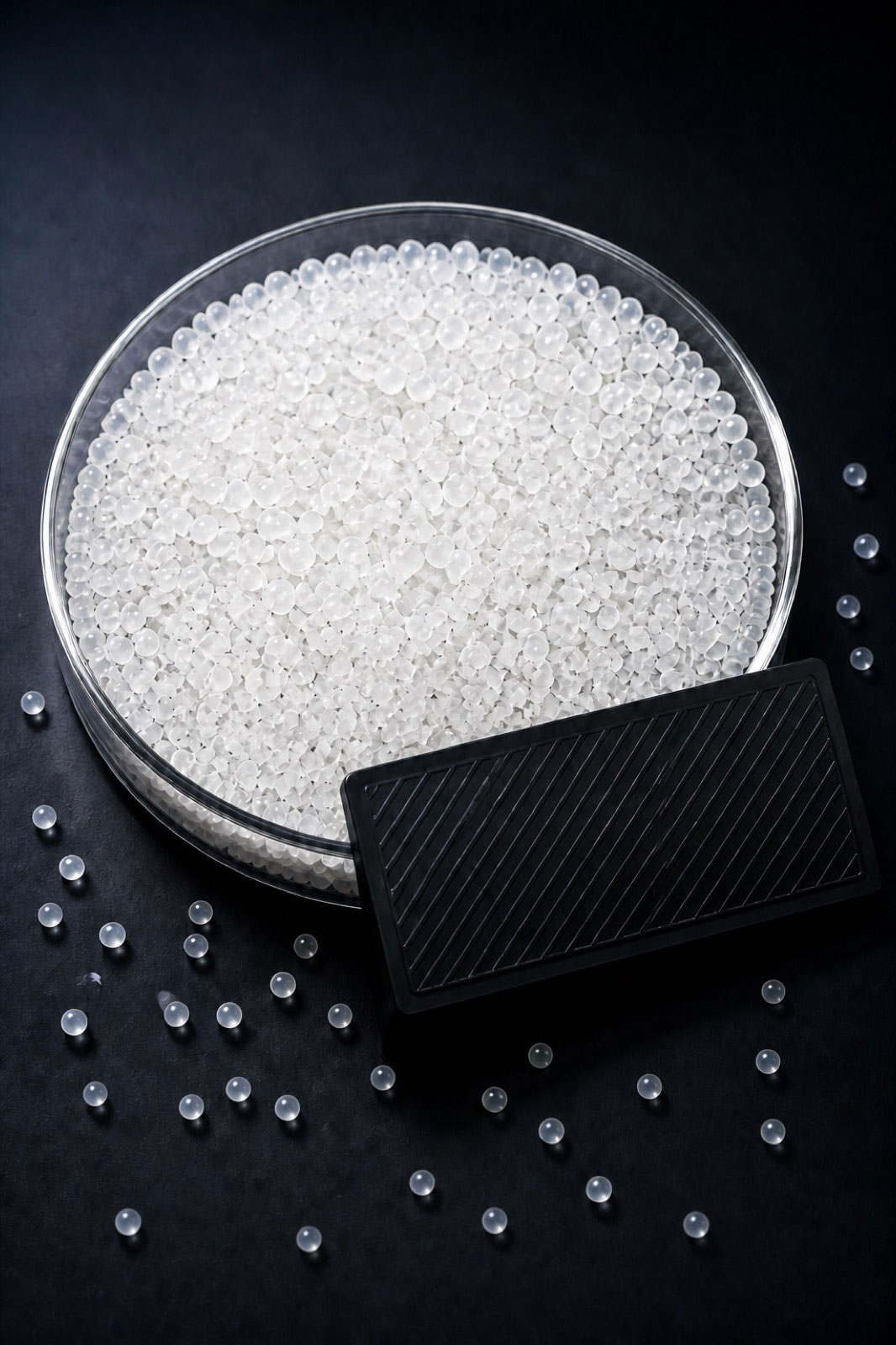

CJ-100
Purging Compound for Dark-to-Light Color Changeovers
IP injection gun and kneader cleaning · Color-change monitoring · Molded-part verification
CJ-100 | Purging Compound for Dark-to-Light Color Changeovers
IP injection gun and kneader cleaning · Color-change monitoring · Residual color assessment · Molded-part verification
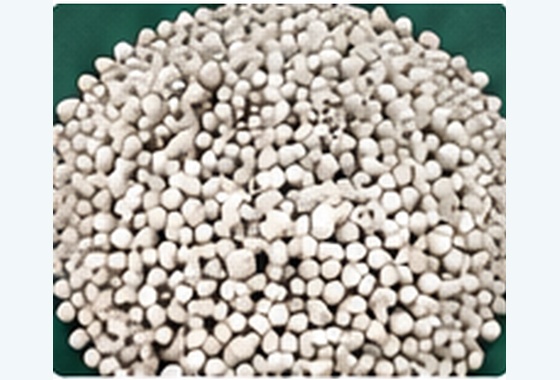
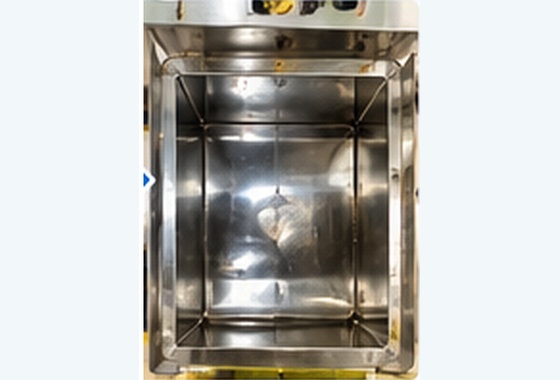
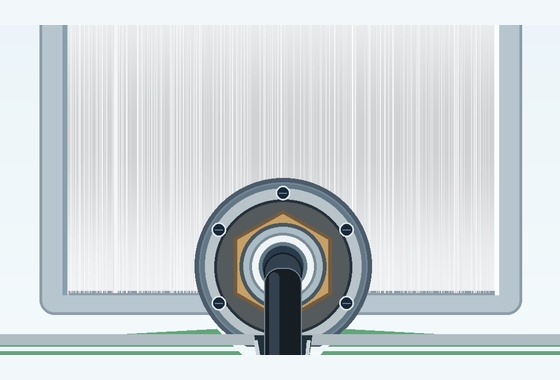
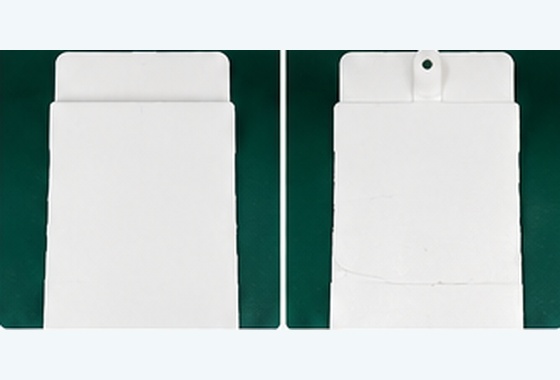
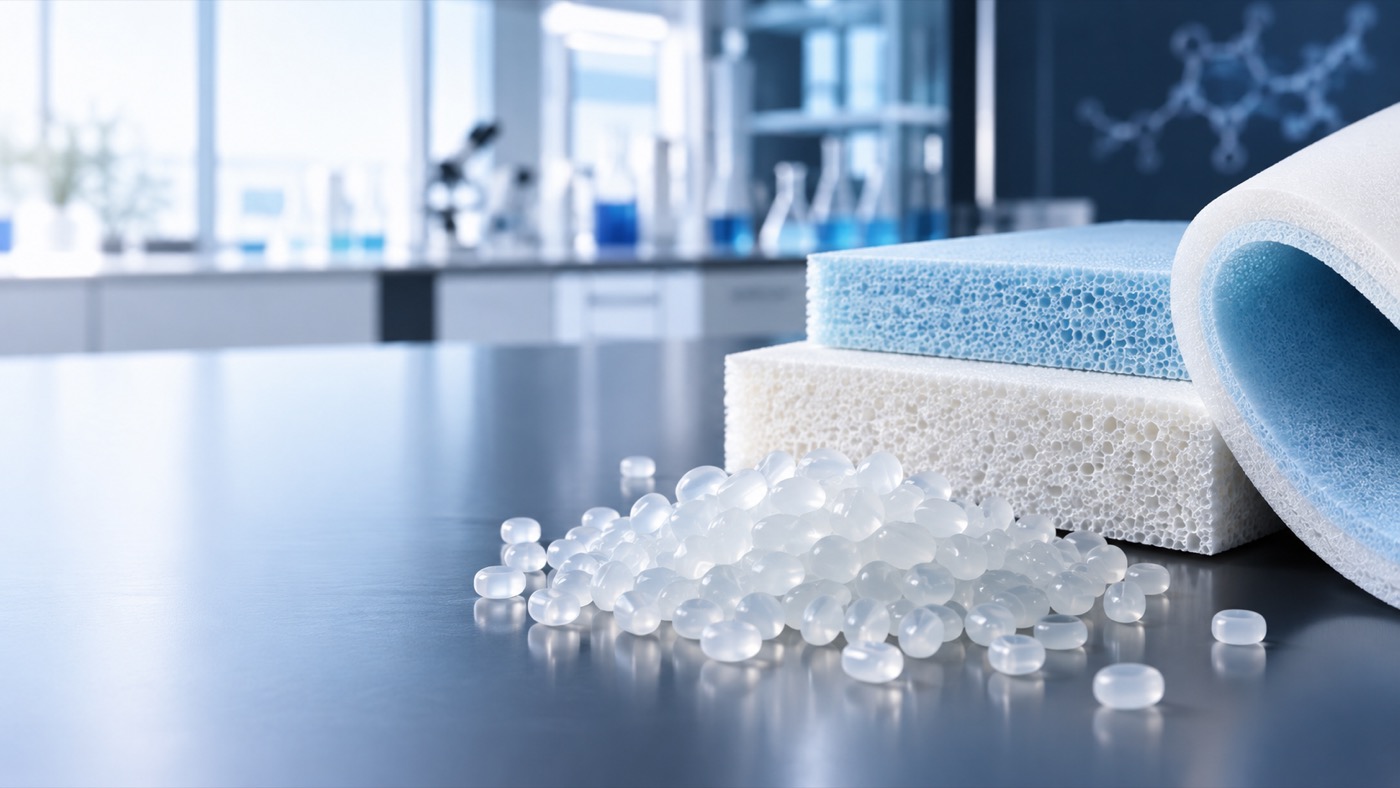
Figure 1 | CJ-100 material, kneader, schematic IP injection gun and molded-part checks. The injection-gun view is illustrative.
Product Positioning and Color-Change Challenges
CJ-100 is a pelletized purging material developed for color-change cleaning in IP injection guns and kneaders, with particular emphasis on high-contrast changeovers such as black to white. Dark material remaining on kneader walls or in injection flow paths may discolor subsequent purge discharge and affect the first molded production parts.
Four risks engineers monitor during dark-to-light changeovers
| Potential issue | What can go wrong |
|---|---|
| Residual material in the injection flow path | Dark residues may continue to discharge after a changeover. |
| Black specks or color streaks | Visible contamination after purging makes cleaning completion difficult to confirm. |
| Contamination of initial production parts | Early white or light-colored molded parts may require additional inspection or rejection. |
| Downtime and material loss | Repeated purging to remove residual color may increase stoppages and material consumption. |
Technical Information at a Glance
| Item | Reported information | Interpretation / limitation |
|---|---|---|
| Material form | Pellets | Recovery and reuse after purging depend on the contamination level. |
| Applicable equipment | IP injection gun; kneader | Verify compatibility with the equipment and the site-specific procedure. |
| Kneader reference setting | 95°C ± 5°C | Reference temperature; not a universal setting. |
| Injection-gun reference profile | 82 / 84 / 86 / 88°C | Confirm how the machine defines each heating zone. |
| Observed color sequence | Black → gray → light → off-white | Evaluate color progression together with molded-part verification. |
01 / INJECTION EQUIPMENT
IP Injection Gun: Purge Progression and Process Control
Conceptual equipment visuals are shown separately from source photographs of actual purge discharge.
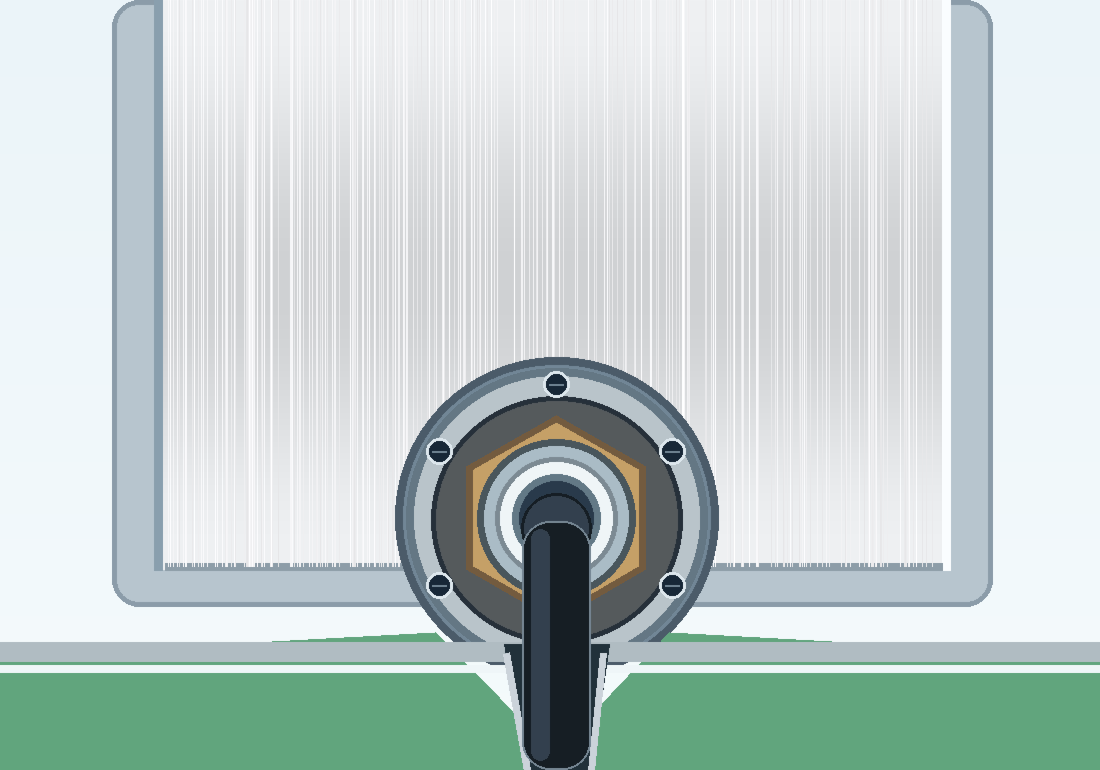
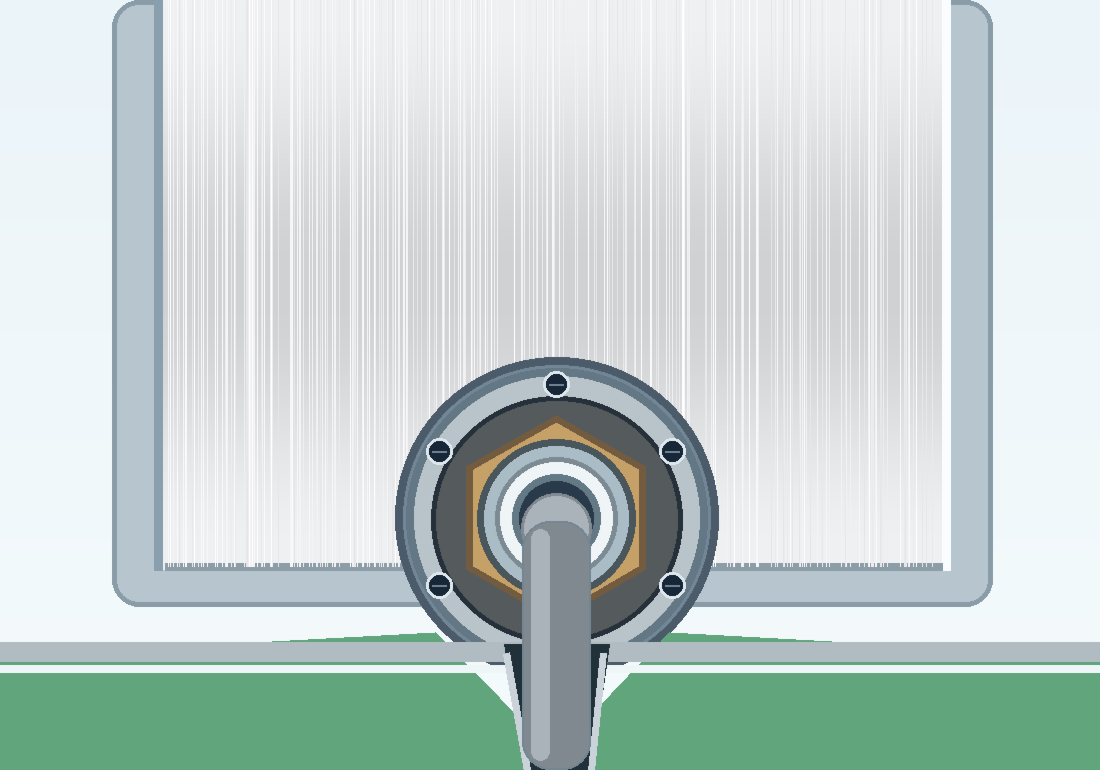
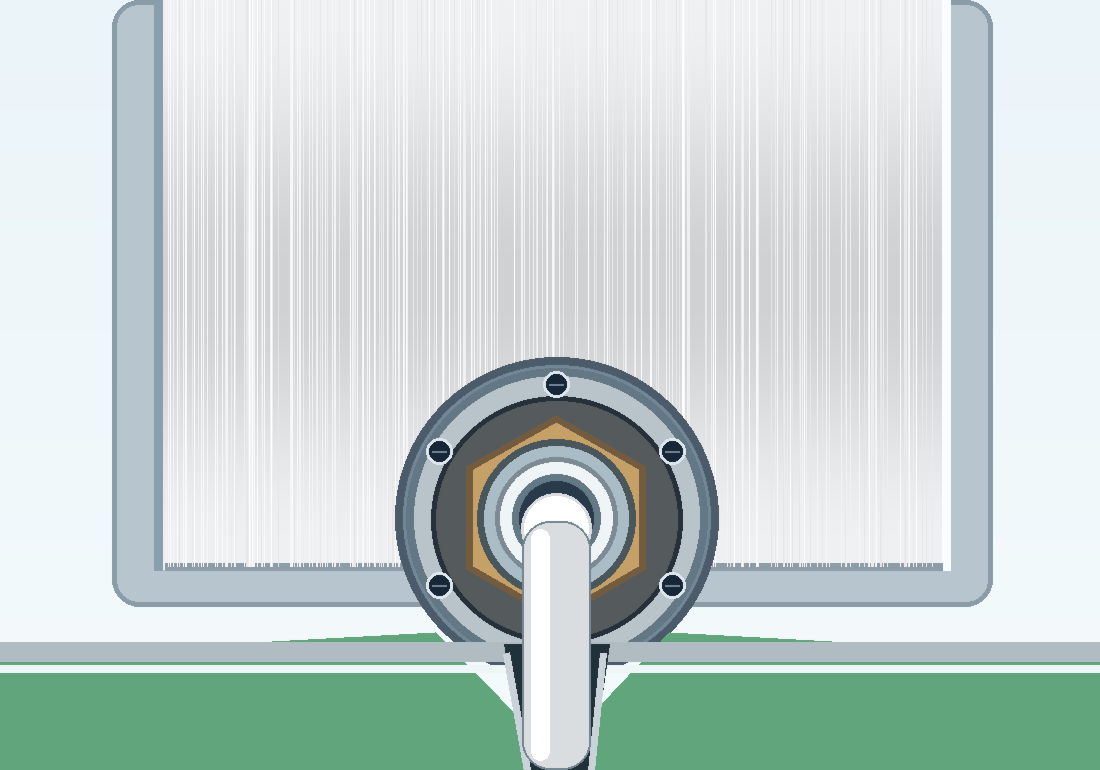
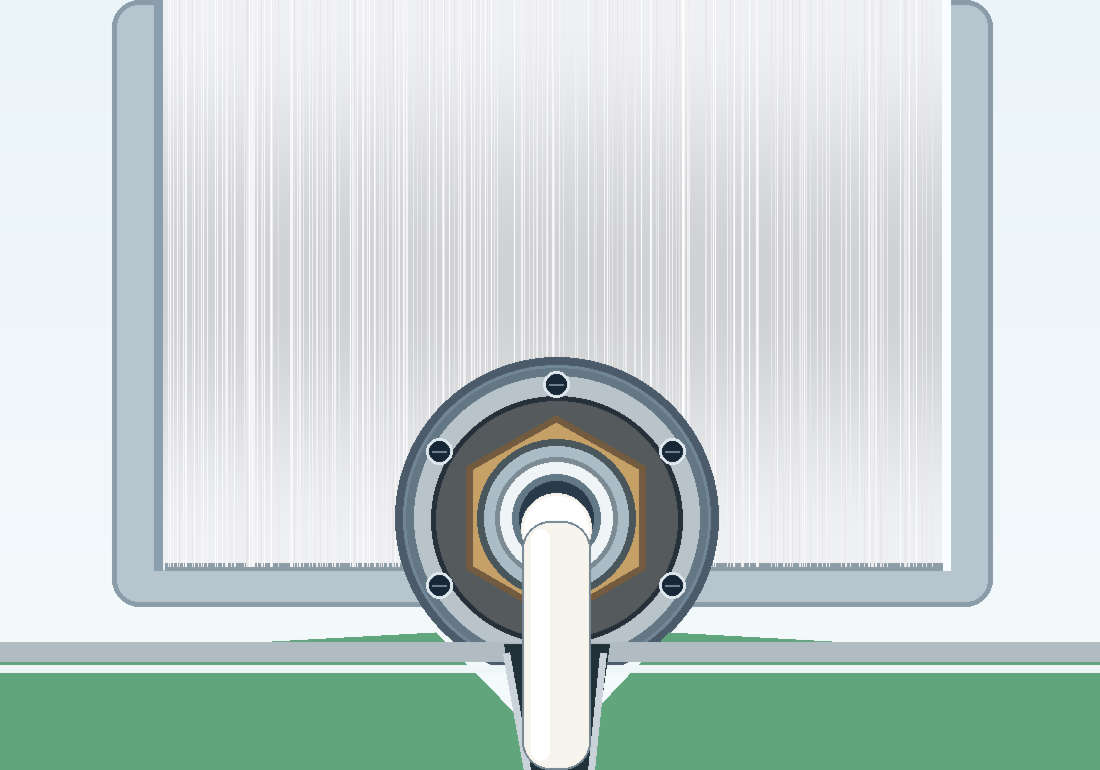
Figure 2 | Clean equipment illustrations modeled on the machine structure. These are not sequential experimental photographs of one machine.
Photographic reference: observed purge discharge colors
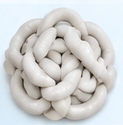
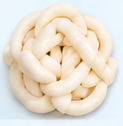
Figure 3 | Original purge-discharge photographs, presented separately from the equipment illustrations above.
Reference Temperature Profile
| Zone 1 | Zone 2 | Zone 3 | Zone 4 |
|---|---|---|---|
| 82°C | 84°C | 86°C | 88°C |
Adjust the required quantity of CJ-100 to the installed equipment, degree of residual coloration, and actual purge results. The trial quantities later in this guide are equipment-specific records, not fixed dosage instructions. All zone temperatures are reference settings that require on-machine confirmation.
Monitoring and Release Checkpoints
| Checkpoint | Recommended field practice | Avoid relying only on |
|---|---|---|
| Initial purge | Photograph dark residue and record the start time. | A single purge shot as evidence of completion. |
| Color-transition stage | Record discharge amount, time, and transition from gray to pale. | Purge color without examining subsequent molded parts. |
| Return to production material | Check the first molded part for visible color differences on both surface and cut section. | Releasing production before actual parts are checked. |
02 / KNEADER CLEANING
Kneader Mixing Chamber: Residual Color Removal
Check both the reduction of visible material adhering to the chamber and the condition of discharged material.
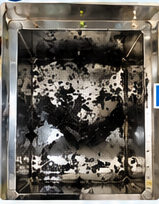
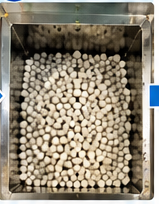
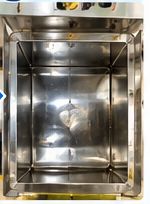
Figure 4 | Kneader cleaning sequence: before cleaning, CJ-100 pellet charging and after cleaning.
Kneader Settings and Result Assessment
| Inspection item | Available source information | Additional records for standardized testing |
|---|---|---|
| Recommended temperature | 95°C ± 5°C | Measured chamber temperature, measurement point and residence time. |
| Material charge | CJ-100 pellets | Charge mass (kg) and cleaning batch number. |
| Visual outcome | Visible chamber area changes from dark to visibly clean. | Photographs from fixed angles and focused inspection of corners and bottom. |
| Potential reuse | Assess recovery and reuse based on contamination. | Contamination classification, reuse count and follow-up cleaning results. |
Recommended Experimental Controls
| Control principle | Recommended practice |
|---|---|
| Standardize test conditions | Compare the same equipment, preceding color, target color and similar charge amount. |
| Maintain complete records | Record temperature, residence time, cleaning material used, discharged material and post-cleaning photographs. |
| Safety and compatibility | Follow the machine maker’s operating procedures and applicable material safety information for temperature control, hot surfaces and process compatibility. |
03 / FIELD TRIAL RECORDS
FOUND FAIR Trial Results: CJ-100 Cleaning Performance
The following cases were measured on FOUND FAIR equipment under the reported operating and material conditions; they are not controlled comparisons against competing purging materials.
Recorded Field Applications
| Test item | Kneader | IP injection molding machine |
|---|---|---|
| Machine brand | Jin Jia Xin* | TIENKANG |
| Model | JJX-5L | TK-103TS-2S-B |
| Previous material color | Black | Black |
| Cleaning endpoint | Visibly clean chamber with no residue in the observable area | Off-white purge discharge |
| Cleaning time | 5–7 min | 8–10 min |
| Number of purge cycles | — | 12–15 |
| Discharge per cycle | — | 125 g / cycle |
| CJ-100 material used | 2.5 kg | 2.0 kg |
| Molded-part surface / section | OK (as reported) | OK (as reported) |
* The kneader manufacturer name is romanized from the supplied Chinese source; its official English trademark spelling has not been confirmed.
Trial record clarification | For the IP machine, 12–15 cycles × 125 g per cycle correspond to a calculated discharge quantity of 1.50–1.875 kg. The recorded 2.0 kg refers to the CJ-100 material used; the quantities describe different measures and should not be treated as interchangeable.
How to Interpret Cleaning Performance
Actual cleaning time, purge-cycle count and purging material consumption may vary with flow-path geometry, equipment capacity, processing parameters and residue from the preceding material. CJ-100 should therefore be assessed against the operating conditions and observed cleaning outcome of each machine; a single machine trial does not establish a universal efficiency rating.
Molded-Part Appearance and Cross-Section Check
After the IP machine is switched back to production material, inspect both purge-discharge color and the surface and cut section of the first molded parts. The reported field-trial check was recorded as “OK”; final production release should still follow the site’s quality-control criteria.
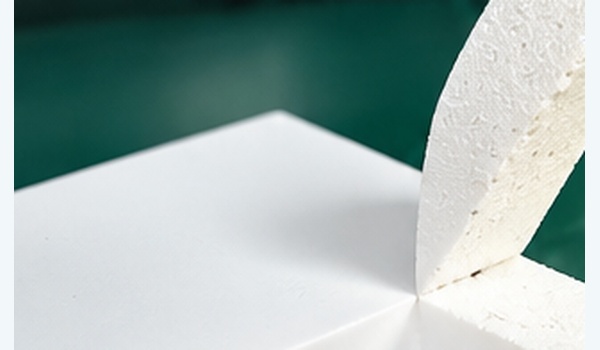
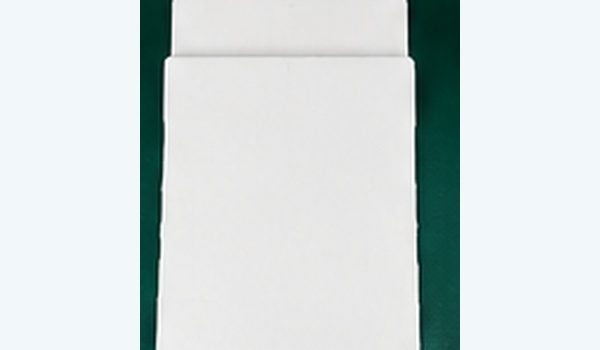
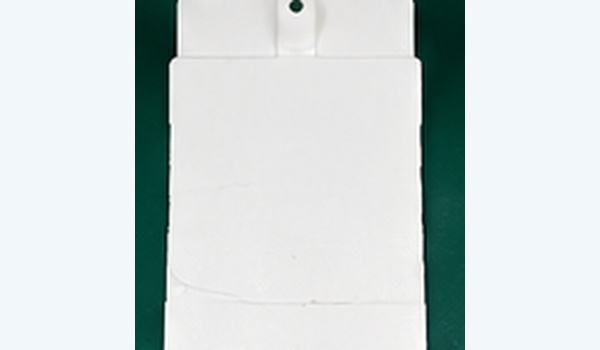
Figure 5 | Illustrative white-part surface and cross-section views, cropped from the figures supplied with the original document.
Technical caution | The kneader temperature (95°C ± 5°C) and IP gun zone profile (82 / 84 / 86 / 88°C) are reference conditions from the source document; they were not established as the actual measured temperature settings of the field trials above. Follow equipment and material safety requirements before operating.